Turn Worn Sweeper Cores Into Reusable Material
Aztec Brooms prioritizes eco-friendly manufacturing and recycling to ensure our sweeper brooms are environmentally safe and conscious.
Schedule a recycling drop-off or request bulk processing support to start routing your cores through a system built for sweeping professionals.


How Wafer and Core Recovery Works
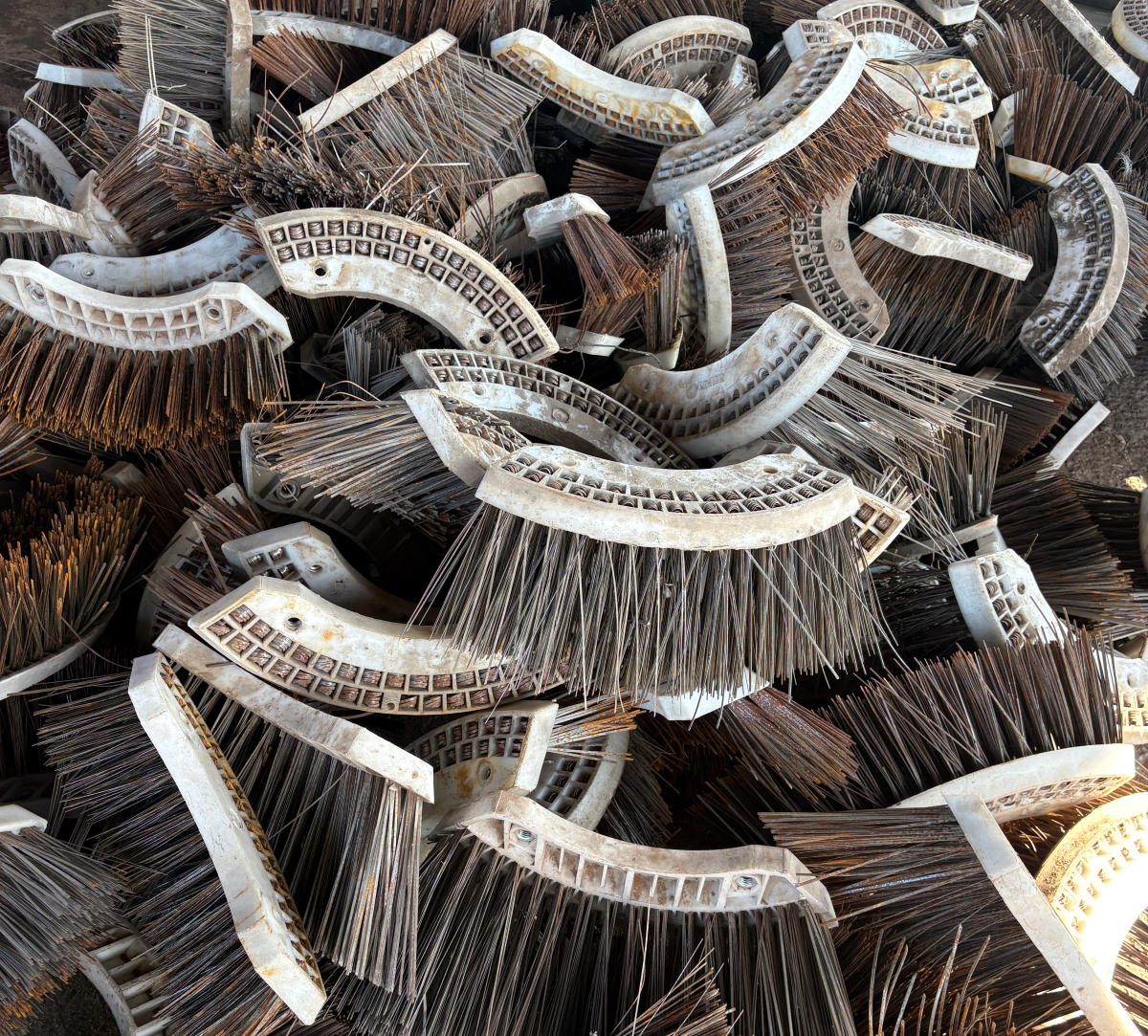
When you send materials our way, they're sorted and processed using methods designed to salvage usable components. Our patent-pending wafer recycling system reclaims materials most operations discard, and cores are evaluated for direct reuse or remanufacturing.
The entire workflow is designed for repeat clients who need predictable turnaround and transparent tracking. You'll know what stage your materials are in and when replacements or recycled stock will be available.
This approach supports both operational efficiency and environmental responsibility across the following areas:
Recycling process that recovers materials typically destined for disposal with coverage across the Phoenix metro area with centralized processing in Mesa
Bulk availability of replacement wafers, cores, complete brooms for municipal & contractor fleets, and direct intake for broom cores and wafers with no added sorting burden on your crew
Reach out to arrange bulk orders or set up a recurring recycling schedule.
How the Core Recycling Process Works
You deliver or arrange pickup for your worn wire cores, and the team at Aztec Brooms sorts them by material type and condition. Cores are evaluated for metal recovery potential, and usable components are separated from those headed for scrap processing. This step ensures that you're not just offloading waste but contributing to a material loop that benefits both cost and environmental reporting.
After processing, you'll notice a reduction in waste hauling fees and disposal receipts. Aztec Brooms provides documentation that supports compliance with municipal sustainability programs and contractor requirements for waste diversion. If your operation tracks environmental metrics or participates in green certifications, this documentation becomes part of your reporting toolkit.
The service handles cores from a range of sweeping equipment brands and configurations. It does not process complete broom assemblies or cores still attached to wafer segments. Cores must be separated and free of excessive debris before drop-off or pickup to keep processing efficient and cost-effective.
What types of wire cores can be recycled?
You can recycle steel and wire cores from street sweepers, parking lot brooms, and industrial cleaning equipment as long as they are detached from wafer segments and reasonably clean.
How do I arrange a bulk pickup?
Contact Aztec Brooms with your estimated volume and location in Mesa, and the team will coordinate timing and logistics based on your schedule and the quantity of cores ready for processing.
When should I consider recycling instead of disposal?
Recycling makes sense when you generate multiple cores per month, manage a fleet, or need to meet waste diversion goals set by municipal contracts or environmental programs.
Why does material condition matter?
Cores covered in heavy debris or mixed with non-metal components require additional sorting, which can slow processing and increase handling time, so cleaner cores move through the system faster.